A working group exploring environmental justice and gender in the Franco-Creole Caribbean

While the Caribbean may be perceived as beautiful and lush, the history and legacies of colonization in the region reveal a complicated underside. Colonialism and capitalism have shaped relationships between humans and land, tying patterns of domination to both environment and gender. It is critical to understand this history when considering the overt effects of climate change today, and it is crucial to include the humanities and social sciences in these discussions.
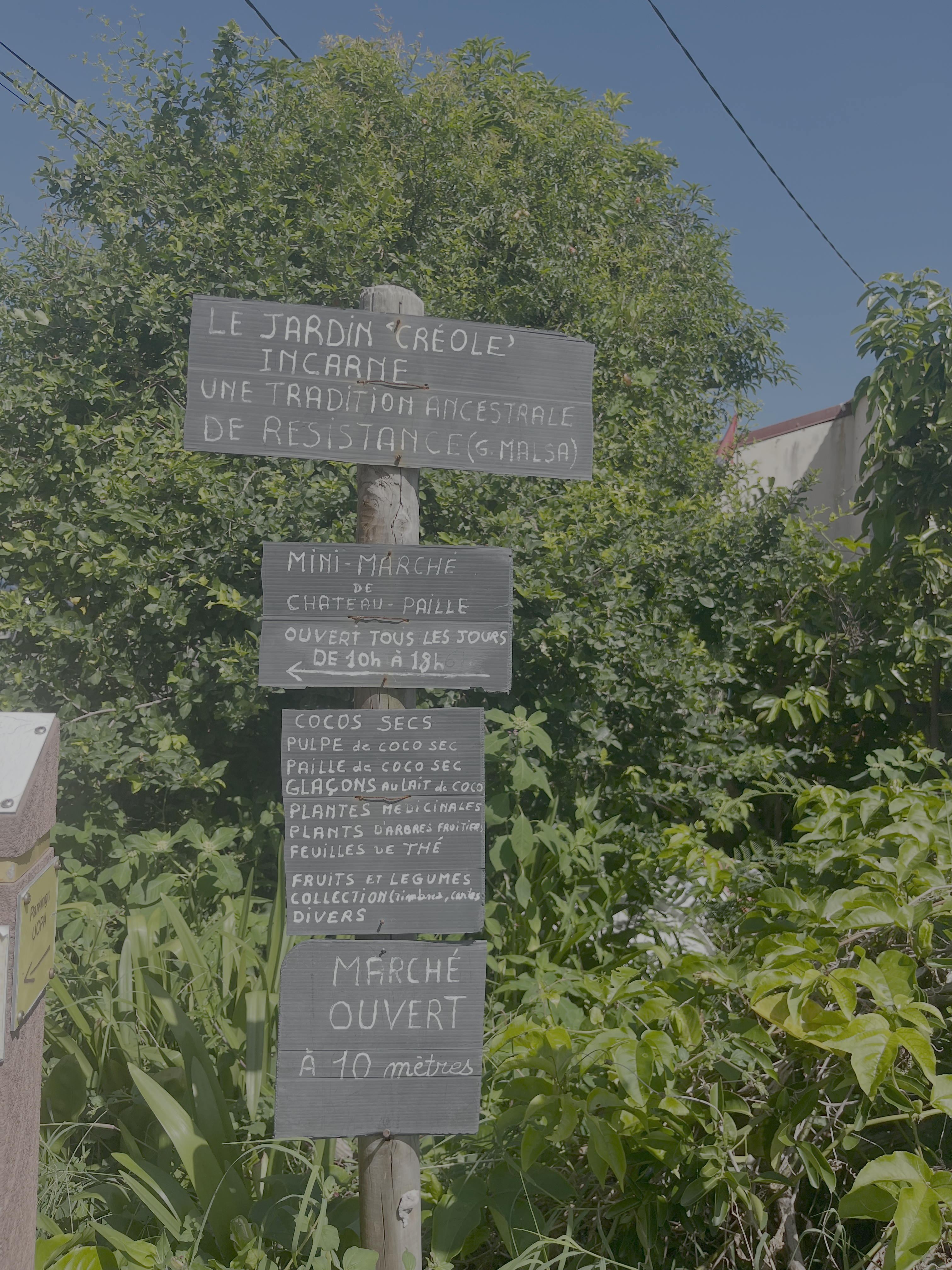
This working group aims to interrogate questions of capitalism, colonialism, gender, and environment in the Franco-Creole Caribbean. The project’s goal is to uncover nuanced ways in which narratives of ecology and gender have been systematically suppressed and reduced—and conversely, to examine how these same narratives continuously resist and disorder dominant structures of power. In a previous iteration of this project,we looked at four subtopics: sugar, bananas, beaches, and gardens. These commodities and spaces that are foundational to common imaginaries of the Caribbean. But they are also symbols of more complex histories, representing the direct social, cultural, and ecological consequences. During the 2026-2027 school year, we transitioned this project to a working group to build a community for early career scholars to engage with these questions together.